
How to Prepare Your Business for Seasonal Security Challenges


Understanding Seasonal Security Challenges
As the seasons change, so do the security challenges that businesses face. Whether it's increased foot traffic during the holiday season or harsh weather conditions affecting your infrastructure, being prepared is key. Different seasons bring unique risks, and understanding these can help you fortify your business effectively.
For instance, the winter months often see an uptick in cyber threats as online shopping surges. Similarly, summer can bring physical security concerns with more people on vacation, leaving businesses potentially understaffed. Recognizing these patterns is the first step to safeguarding your operations.
Assessing Your Current Security Setup
Before implementing new measures, it's crucial to evaluate your existing security infrastructure. Conduct a thorough assessment of your physical and digital security systems to identify any vulnerabilities. This includes checking surveillance systems, alarm setups, and cybersecurity protocols.
Engage with your IT and security teams to ensure that all software and hardware are up-to-date. An outdated system can be a significant vulnerability, especially when threats are seasonal and can intensify at certain times of the year.
Engaging Professional Security Services
Consider hiring professional security services to conduct a risk assessment. These experts can provide insights into potential weak points and recommend tailored solutions. Professional guidance can be invaluable, especially when preparing for complex seasonal challenges.

Strengthening Cybersecurity Measures
With the rise of digital threats, enhancing cybersecurity is non-negotiable. Implement advanced firewalls and antivirus software, and ensure that all employees are trained in recognizing phishing attempts. Regularly update passwords and use multi-factor authentication to add an extra layer of security.
It's also wise to conduct regular cybersecurity drills. These simulations help prepare your team for potential attacks and ensure that everyone knows the protocol in case of a breach.
Investing in Technology and Innovation
Leverage the latest technology to bolster your security measures. Smart security systems, AI-driven surveillance, and automated alerts can provide real-time insights and quicker response times. Investing in such technology not only enhances security but can also improve operational efficiency.

Preparing for Physical Security Challenges
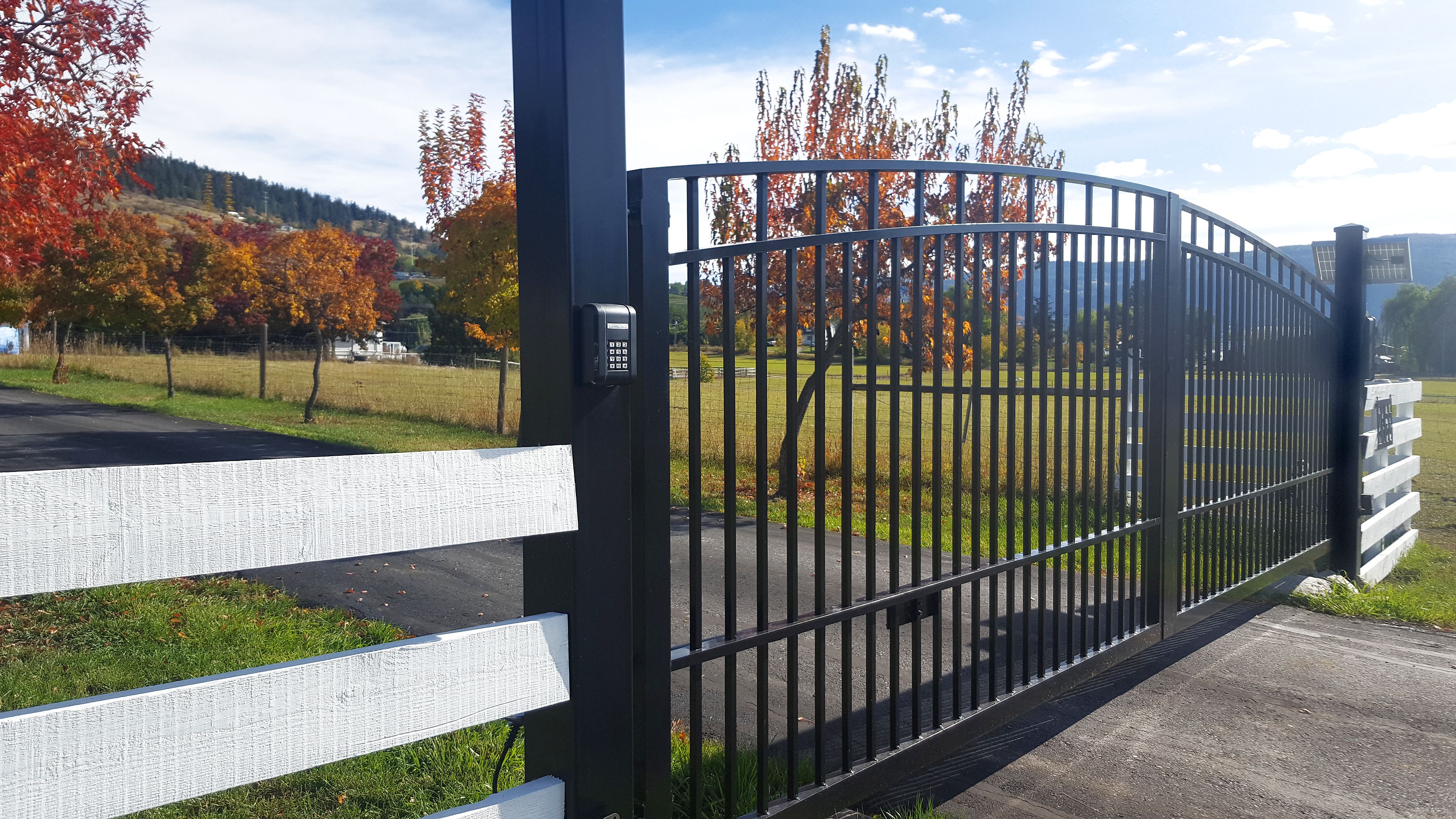
Seasonal changes can also affect the physical security of your business. Ensure that all doors, windows, and entry points are secure and equipped with sturdy locks. Install motion sensors and lighting in vulnerable areas to deter potential intruders.
Additionally, review your access control systems. Limiting access to certain areas and monitoring who enters and exits can prevent unauthorized access and potential internal threats.
Training and Communication
Effective training and communication are vital in preparing for seasonal security challenges. Regularly update your staff on security protocols and ensure they know how to report suspicious activities. Open communication channels can significantly aid in preventing and responding to security threats.

Developing a Comprehensive Security Plan
Finally, create a comprehensive security plan that outlines strategies for both digital and physical security. This plan should include emergency contacts, evacuation procedures, and communication strategies in case of a security breach. Regularly review and update this plan to adapt to new threats and changes in your business environment.
By taking a proactive approach, your business can effectively navigate the seasonal security challenges and maintain a secure environment year-round.