
The Ultimate Guide to Alarm System Installation for Businesses


In today's fast-paced world, ensuring the security of your business is paramount. Installing an alarm system is a crucial step in protecting your assets and providing peace of mind. This guide will walk you through the essential aspects of alarm system installation for businesses, ensuring you make informed decisions.
Why Install an Alarm System?
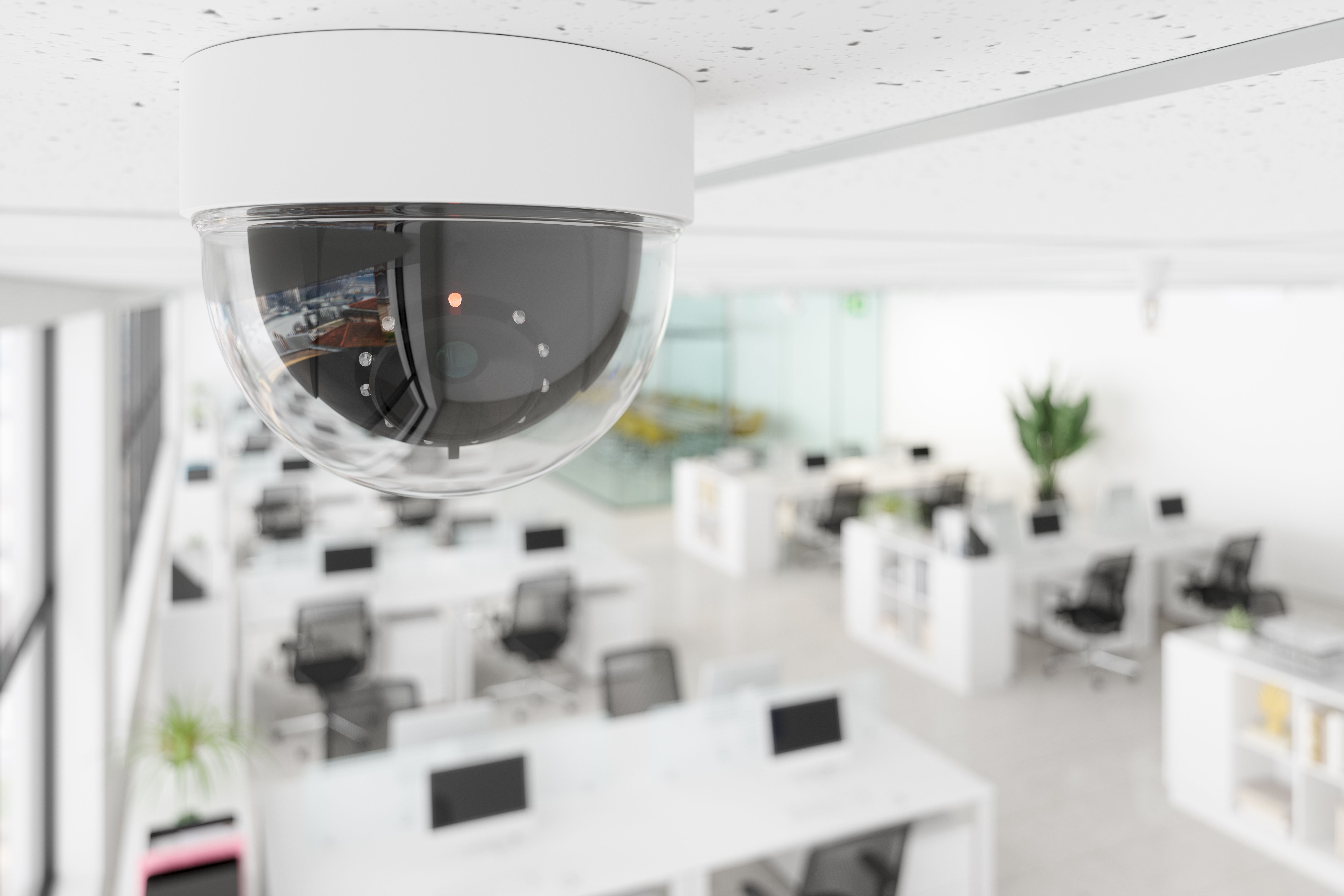
Alarm systems provide a first line of defense against intruders. They not only deter potential burglars but also alert authorities in case of unauthorized access. For businesses, this means safeguarding valuable inventory, sensitive information, and providing a safe environment for employees.
Aside from security, having a robust alarm system might lower insurance premiums. Many insurers offer discounts for businesses with comprehensive security systems, as they reduce the risk of theft and damage.
Types of Alarm Systems
Monitored Systems
Monitored alarm systems connect to a central monitoring station. When triggered, they alert security personnel who can quickly notify law enforcement. This type of system is ideal for businesses looking for continuous protection.
Unmonitored Systems
These systems rely on loud alarms and flashing lights to scare off intruders. While they may not notify authorities directly, they are less expensive and can be effective when paired with other security measures.
Steps for Installation
1. Assess Your Security Needs
Before installation, evaluate the specific needs of your business. Consider the size of your premises, the value of assets, and any previous security incidents. This assessment will guide you in choosing the right system.
2. Choose a Reputable Provider
Select a provider with a solid reputation and positive customer reviews. A reliable provider will offer a comprehensive installation service and ongoing support.
3. Plan the Installation
Work with your provider to map out strategic locations for sensors and cameras. Ensure all entry points are covered and consider additional coverage for high-value areas.

Maintenance and Upgrades
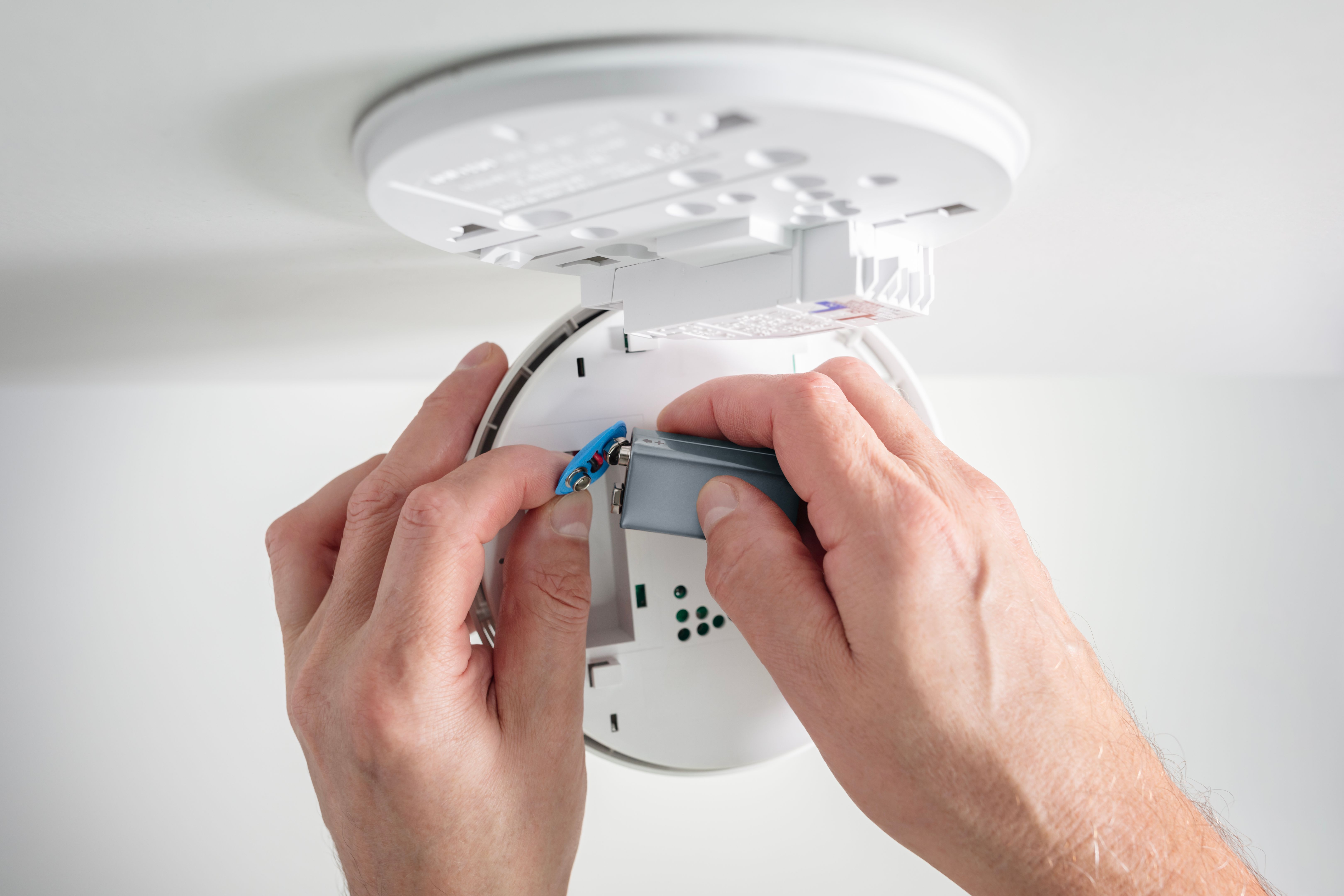
Regular maintenance is vital to ensure the alarm system functions correctly. Schedule periodic checks with your provider to test all components and update any software. This proactive approach can prevent future issues and keep your security measures up to date.
As technology evolves, consider upgrading your system. Newer models offer advanced features like remote access, integration with smart devices, and enhanced detection capabilities.
Conclusion
Investing in an alarm system is a smart move for any business. By understanding your needs, choosing the right system, and maintaining it effectively, you can protect your business from potential threats. Remember, a well-secured business is a successful one.